明日から「大阪」付くで! 阪急が改称「大阪梅田」駅に 朝日新聞Google ニュースですべての記事を表示
明日から「大阪」付くで! 阪急が改称「大阪梅田」駅に - 朝日新聞
続きを読む
Monday, September 30, 2019
楽天モバイル、自社回線の「無料サポータープログラム」申込受付スタート - Engadget 日本版
楽天モバイル、自社回線の「無料サポータープログラム」申込受付スタート Engadget 日本版Google ニュースですべての記事を表示
楽天モバイル、自社回線の「無料サポータープログラム」申込受付スタート - Engadget 日本版
続きを読む
楽天モバイル、自社回線の「無料サポータープログラム」申込受付スタート - Engadget 日本版
続きを読む
「増税前より安い」 キャッシュレス還元 x 軽減税率の威力を体感 - Engadget 日本版
- 「増税前より安い」 キャッシュレス還元 x 軽減税率の威力を体感 Engadget 日本版
- 増税直後がチャンス お得なスマホ決済キャンペーンまとめ livedoor
- 消費税増税でキャッシュレスポイント還元を受ける方法は? LINE Pay・PayPay・Suicaなどのやり方 HuffPost Japan
- 5分でわかる「キャッシュレスポイント還元」、Suicaもクレカも還元 Engadget 日本版
- キャッシュレス還元を賢く・簡単に受ける方法をまとめてみました(増澤陸) - Yahoo!ニュース Yahoo!ニュース
- Google ニュースですべての記事を表示
「増税前より安い」 キャッシュレス還元 x 軽減税率の威力を体感 - Engadget 日本版
続きを読む
大阪・阪急電車の“ナゾの終着駅” 宝塚線「雲雀丘花屋敷駅」には何がある? - 文春オンライン
大阪・阪急電車の“ナゾの終着駅” 宝塚線「雲雀丘花屋敷駅」には何がある? 文春オンラインGoogle ニュースですべての記事を表示
大阪・阪急電車の“ナゾの終着駅” 宝塚線「雲雀丘花屋敷駅」には何がある? - 文春オンライン
続きを読む
大阪・阪急電車の“ナゾの終着駅” 宝塚線「雲雀丘花屋敷駅」には何がある? - 文春オンライン
続きを読む
韓国の9月のインフレ率 1965年の統計開始以来初のマイナスに - livedoor
- 韓国の9月のインフレ率 1965年の統計開始以来初のマイナスに livedoor
- 韓国の消費者物価、初の前年割れ-輸出低迷続く中で内需も打撃 ブルームバーグ
- 韓国の9月インフレ率、統計開始以来初のマイナス 消費が低迷(ロイター) BLOGOS
- 韓国の9月インフレ率、統計開始以来初のマイナス 消費が低迷 ロイター (Reuters Japan)
- Google ニュースですべての記事を表示
韓国の9月のインフレ率 1965年の統計開始以来初のマイナスに - livedoor
続きを読む
今日から消費税10%、キャッシュレスポイント還元はこう使え - 日経ビジネス電子版
- 今日から消費税10%、キャッシュレスポイント還元はこう使え 日経ビジネス電子版
- あすから消費税10% 家庭の負担どれだけ増える?(19/09/30) ANNnewsCH
- 消費税率10%に、スーパーなど対応追われる TBS News
- [社説]消費税率10%時代を円滑に迎えよう 日本経済新聞
- 消費税、駆け込み最後のピーク 佐賀新聞
- Google ニュースですべての記事を表示
今日から消費税10%、キャッシュレスポイント還元はこう使え - 日経ビジネス電子版
続きを読む
キャッシュレス還元を賢く・簡単に受ける方法をまとめてみました(増澤陸) - Yahoo!ニュース - Yahoo!ニュース
キャッシュレス還元を賢く・簡単に受ける方法をまとめてみました(増澤陸) - Yahoo!ニュース Yahoo!ニュースGoogle ニュースですべての記事を表示
キャッシュレス還元を賢く・簡単に受ける方法をまとめてみました(増澤陸) - Yahoo!ニュース - Yahoo!ニュース
続きを読む
キャッシュレス還元を賢く・簡単に受ける方法をまとめてみました(増澤陸) - Yahoo!ニュース - Yahoo!ニュース
続きを読む
SpaceXのイーロン・マスクCEO、「半年以内に宇宙船での軌道飛行を実現する計画」 - ITmedia
- SpaceXのイーロン・マスクCEO、「半年以内に宇宙船での軌道飛行を実現する計画」 ITmedia
- 前沢氏が月旅行で搭乗予定“巨大宇宙船”を公開(19/09/30) ANNnewsCH
- 大気圏を水平にダイヴして帰還。スペースXが公開した新宇宙船「スターシップ」に課された使命|WIRED.jp WIRED.jp
- 宇宙企業SpaceXが次世代宇宙船「スターシップ」を公開、ZOZO前澤元社長らの月旅行で運用される予定 GIGAZINE
- 前澤友作氏が搭乗する予定の宇宙船「スターシップ」試作機公開 livedoor
- Google ニュースですべての記事を表示
SpaceXのイーロン・マスクCEO、「半年以内に宇宙船での軌道飛行を実現する計画」 - ITmedia
続きを読む
「増税前より安い」 キャッシュレス還元 x 軽減税率の威力を体感 - Engadget 日本版
「増税前より安い」 キャッシュレス還元 x 軽減税率の威力を体感 Engadget 日本版Google ニュースですべての記事を表示
「増税前より安い」 キャッシュレス還元 x 軽減税率の威力を体感 - Engadget 日本版
続きを読む
「増税前より安い」 キャッシュレス還元 x 軽減税率の威力を体感 - Engadget 日本版
続きを読む
大阪・阪急電車の“ナゾの終着駅” 宝塚線「雲雀丘花屋敷駅」には何がある? - 文春オンライン
大阪・阪急電車の“ナゾの終着駅” 宝塚線「雲雀丘花屋敷駅」には何がある? 文春オンラインGoogle ニュースですべての記事を表示
大阪・阪急電車の“ナゾの終着駅” 宝塚線「雲雀丘花屋敷駅」には何がある? - 文春オンライン
続きを読む
大阪・阪急電車の“ナゾの終着駅” 宝塚線「雲雀丘花屋敷駅」には何がある? - 文春オンライン
続きを読む
楽天、自社回線サービスのテスター募集開始 端末購入&アンケート回答で最大1万6000ポイントも - ASCII.jp
楽天、自社回線サービスのテスター募集開始 端末購入&アンケート回答で最大1万6000ポイントも ASCII.jpGoogle ニュースですべての記事を表示
楽天、自社回線サービスのテスター募集開始 端末購入&アンケート回答で最大1万6000ポイントも - ASCII.jp
続きを読む
楽天、自社回線サービスのテスター募集開始 端末購入&アンケート回答で最大1万6000ポイントも - ASCII.jp
続きを読む
3メガバンク、手数料引き上げ ネット取引へ移行促す - 日本経済新聞
- 3メガバンク、手数料引き上げ ネット取引へ移行促す 日本経済新聞
- アングル:口座手数料、金融庁内に容認論 地銀は三菱・三井住友にらみ(ロイター) Yahoo!ニュース
- 銀行口座に“維持手数料”がかかる!? 森永卓郎が解決策の持論を展開 ねとらぼ
- アングル:口座手数料、金融庁内に容認論 地銀は三菱・三井住友にらみ ロイター (Reuters Japan)
- Google ニュースですべての記事を表示
3メガバンク、手数料引き上げ ネット取引へ移行促す - 日本経済新聞
続きを読む
大阪・阪急電車の“ナゾの終着駅” 宝塚線「雲雀丘花屋敷駅」には何がある? - 文春オンライン
大阪・阪急電車の“ナゾの終着駅” 宝塚線「雲雀丘花屋敷駅」には何がある? 文春オンラインGoogle ニュースですべての記事を表示
大阪・阪急電車の“ナゾの終着駅” 宝塚線「雲雀丘花屋敷駅」には何がある? - 文春オンライン
続きを読む
大阪・阪急電車の“ナゾの終着駅” 宝塚線「雲雀丘花屋敷駅」には何がある? - 文春オンライン
続きを読む
消費増税、揺れた決断=2度延期、使途変更も-安倍首相 - 時事通信ニュース
- 消費増税、揺れた決断=2度延期、使途変更も-安倍首相 時事通信ニュース
- 消費税10%きょうから 強まる個人課税 遠のく財政再建:経済(TOKYO Web) 東京新聞
- 消費増税、つきまとう景気不安 増収分超える対策費計上 朝日新聞
- 消費増税後に、財政拡大や金融緩和を頼らない「真に必要な経済政策」 ダイヤモンド・オンライン
- 消費税増税強行を安倍政権の元ブレーン・藤井聡が痛烈批判「増税で給料は倍下がる」「法人税の穴埋めに使われるだけ」 Litera
- Google ニュースですべての記事を表示
消費増税、揺れた決断=2度延期、使途変更も-安倍首相 - 時事通信ニュース
続きを読む
NHK抗議、郵政社長陳謝 かんぽ番組「全くその通り」 - 毎日新聞
- NHK抗議、郵政社長陳謝 かんぽ番組「全くその通り」 毎日新聞
- NHK会長注意を議事録に記載せず 経営委「議題ではない」 産経ニュース
- NHK経営委 会長厳重注意を議事録に残さず、番組介入の批判恐れたか - エキサイトニュース エキサイトニュース
- 番組内容は事実で「謙虚に受け止め反省」 日本郵政社長が会見で陳謝 - 毎日新聞 毎日新聞
- NHKは日本郵政の「圧力」になぜ屈したか、ウラに隠された事情 現代ビジネス
- Google ニュースですべての記事を表示
NHK抗議、郵政社長陳謝 かんぽ番組「全くその通り」 - 毎日新聞
続きを読む
Sunday, September 29, 2019
消費税10%の還元施策に備えて交通系ICカードでいまやるべきこと - TechCrunch Japan
消費税10%の還元施策に備えて交通系ICカードでいまやるべきこと TechCrunch JapanGoogle ニュースですべての記事を表示
消費税10%の還元施策に備えて交通系ICカードでいまやるべきこと - TechCrunch Japan
続きを読む
消費税10%の還元施策に備えて交通系ICカードでいまやるべきこと - TechCrunch Japan
続きを読む
消費税と税収の関係をさぐる(2019年版)(不破雷蔵) - Yahoo!ニュース - Yahoo!ニュース
消費税と税収の関係をさぐる(2019年版)(不破雷蔵) - Yahoo!ニュース Yahoo!ニュース
消費税と税収の関係をさぐる(2019年版)(不破雷蔵) - Yahoo!ニュース - Yahoo!ニュース
続きを読む
消費税と税収の関係をさぐる(2019年版)(不破雷蔵) - Yahoo!ニュース - Yahoo!ニュース
続きを読む
消費増税前の駆け込みセール、実は安くない商品も 高額家電、白物家電の買換えに注意 - ニフティニュース
- 消費増税前の駆け込みセール、実は安くない商品も 高額家電、白物家電の買換えに注意 ニフティニュース
- “8%最後の週末” 駆け込み需要で家電量販店にぎわう 28日 17時11分 TBS News
- “8%最後の週末” 駆け込み需要で家電量販店にぎわう(2019年9月28日) BIGLOBEニュース
- 消費増税前、最後の週末 関西でも駆け込み需要 日本経済新聞
- 増税前の駆け込み商戦 荻原博子氏が一家言「何もしないに限ります」 livedoor
- Google ニュースですべての記事を表示
消費増税前の駆け込みセール、実は安くない商品も 高額家電、白物家電の買換えに注意 - ニフティニュース
続きを読む
消費税10%の還元施策に備えて交通系ICカードでいまやるべきこと - TechCrunch Japan
消費税10%の還元施策に備えて交通系ICカードでいまやるべきこと TechCrunch JapanGoogle ニュースですべての記事を表示
消費税10%の還元施策に備えて交通系ICカードでいまやるべきこと - TechCrunch Japan
続きを読む
消費税10%の還元施策に備えて交通系ICカードでいまやるべきこと - TechCrunch Japan
続きを読む
China's official manufacturing PMI contracted again in September
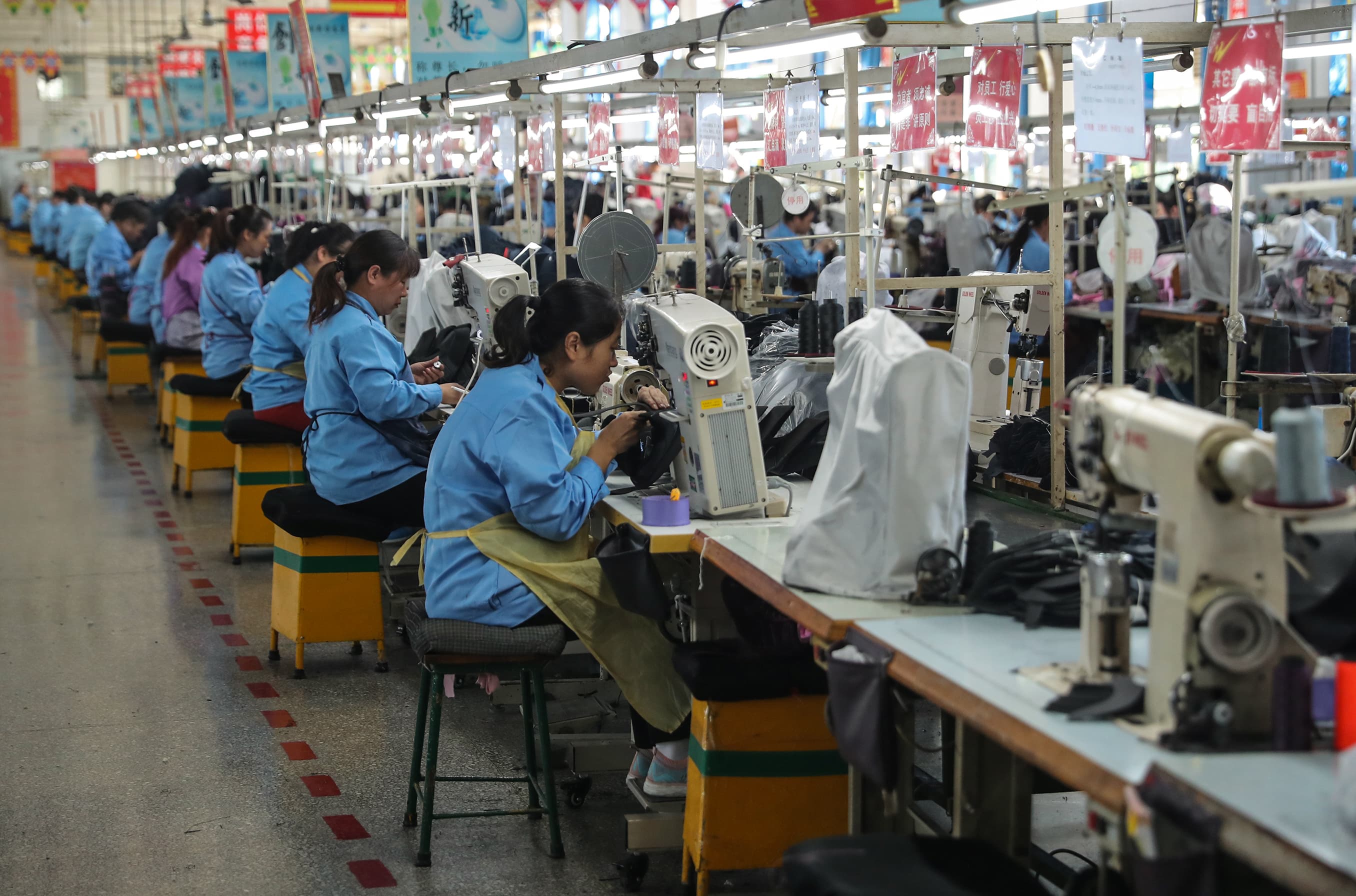
Workers sewing shoes at a factory in Qingdao in China's eastern Shandong province.
AFP | Getty Images
China on Monday released a closely watched indicator on its manufacturing activity.
The official Purchasing Managers' Index (PMI) was 49.8 in September — exceeding the 49.5 analysts polled by Reuters had expected. The official PMI data came in at 49.5 in August.
PMI readings above 50 indicate expansion, while those below that level signal contraction.
A private survey of China's manufacturing activity, the Caixin/Markit factory Purchasing Managers' Index (PMI), is also scheduled for release on Monday. Analysts polled by Reuters expect the data to come in at 50.2 for September, down slightly from 50.4 in August.
The official PMI survey typically polls a large proportion of big businesses and state-owned enterprises. The Caixin indicator features a bigger mix of small- and medium-sized firms.
The PMI is a survey of how businesses view the operating environment. Such data offer a first glimpse into what's happening in an economy, as they are usually among the first major economic indicators released each month.
The China PMI is closely watched by global investors for signs of trouble amid a domestic economic slowdown and the ongoing U.S.-China trade dispute.
— This is breaking news. Please check back for updates.
via IFTTT
消費税と税収の関係をさぐる(2019年版)(不破雷蔵) - Yahoo!ニュース - Yahoo!ニュース
消費税と税収の関係をさぐる(2019年版)(不破雷蔵) - Yahoo!ニュース Yahoo!ニュース
消費税と税収の関係をさぐる(2019年版)(不破雷蔵) - Yahoo!ニュース - Yahoo!ニュース
続きを読む
消費税と税収の関係をさぐる(2019年版)(不破雷蔵) - Yahoo!ニュース - Yahoo!ニュース
続きを読む
米政権が対中投資制限を検討 一部報道 上場廃止も 資本市場でも米中分断 - 産経ニュース
- 米政権が対中投資制限を検討 一部報道 上場廃止も 資本市場でも米中分断 産経ニュース
- トランプ政権 米投資家の対中投資規制を検討…上場廃止も|日刊ゲンダイDIGITAL 日刊ゲンダイ
- トランプ政権 中国への投資制限、上場廃止を検討か(19/09/28) ANNnewsCH
- 米政府、投資ポートフォリオの中国流入制限策を検討-関係者 ブルームバーグ
- トランプ政権、米上場の中国株廃止を検討 対中投資を制限=関係筋 ロイター (Reuters Japan)
- Google ニュースですべての記事を表示
米政権が対中投資制限を検討 一部報道 上場廃止も 資本市場でも米中分断 - 産経ニュース
続きを読む
2年で台数11倍、「ノッポなタクシー」が急に普及し始めたワケ(MONEY PLUS) - Yahoo!ニュース
2年で台数11倍、「ノッポなタクシー」が急に普及し始めたワケ(MONEY PLUS) Yahoo!ニュース
2年で台数11倍、「ノッポなタクシー」が急に普及し始めたワケ(MONEY PLUS) - Yahoo!ニュース
続きを読む
2年で台数11倍、「ノッポなタクシー」が急に普及し始めたワケ(MONEY PLUS) - Yahoo!ニュース
続きを読む
兵庫県警の女性警官が駅のトイレに拳銃忘れる 使われた形跡はなし - livedoor
- 兵庫県警の女性警官が駅のトイレに拳銃忘れる 使われた形跡はなし livedoor
- 女性警官 拳銃トイレに置き忘れ|BIGLOBEニュース BIGLOBEニュース
- Google ニュースですべての記事を表示
兵庫県警の女性警官が駅のトイレに拳銃忘れる 使われた形跡はなし - livedoor
続きを読む
消費税10%の還元施策に備えて交通系ICカードでいまやるべきこと - TechCrunch Japan
- 消費税10%の還元施策に備えて交通系ICカードでいまやるべきこと TechCrunch Japan
- 消費税10%でもキャッシュレス還元。WAON、nanaco、Edy、iDで知っておきたいこと HuffPost Japan
- 消費税10%に向けてWAON、nanaco、Edy、iDで知っておくべきこと TechCrunch Japan
- 消費税10%に向けてPayPayやLINE Payなどのコード決済で知っておくべきこと TechCrunch Japan
- Google ニュースですべての記事を表示
消費税10%の還元施策に備えて交通系ICカードでいまやるべきこと - TechCrunch Japan
続きを読む
消費税と税収の関係をさぐる(2019年版)(不破雷蔵) - Yahoo!ニュース - Yahoo!ニュース
- 消費税と税収の関係をさぐる(2019年版)(不破雷蔵) - Yahoo!ニュース Yahoo!ニュース
- 消費税10%、説明会7万回も…還元策や仕組み、周知に懸命 産経ニュース
- Google ニュースですべての記事を表示
消費税と税収の関係をさぐる(2019年版)(不破雷蔵) - Yahoo!ニュース - Yahoo!ニュース
続きを読む
新型iPhoneと約5年前のiPhoneのカメラ比較に反響 「差がすごい」「iPhone 11が欲しくなる」 - ねとらぼ
- 新型iPhoneと約5年前のiPhoneのカメラ比較に反響 「差がすごい」「iPhone 11が欲しくなる」 ねとらぼ
- 新型iPhoneと約5年前のiPhoneのカメラ比較に反響 「差がすごい」「iPhone 11が欲しくなる」(2019年9月29日)|BIGLOBEニュース BIGLOBEニュース
- iPhone 11 ProとiPhone 6のカメラ比較が話題「こんなの見たら欲しくなる」 - エキサイトニュース エキサイトニュース
- Google ニュースですべての記事を表示
新型iPhoneと約5年前のiPhoneのカメラ比較に反響 「差がすごい」「iPhone 11が欲しくなる」 - ねとらぼ
続きを読む
消費税10%の還元施策に備えて交通系ICカードでいまやるべきこと - TechCrunch Japan
消費税10%の還元施策に備えて交通系ICカードでいまやるべきこと TechCrunch JapanGoogle ニュースですべての記事を表示
消費税10%の還元施策に備えて交通系ICカードでいまやるべきこと - TechCrunch Japan
続きを読む
消費税10%の還元施策に備えて交通系ICカードでいまやるべきこと - TechCrunch Japan
続きを読む
消費税と税収の関係をさぐる(2019年版)(不破雷蔵) - Yahoo!ニュース - Yahoo!ニュース
消費税と税収の関係をさぐる(2019年版)(不破雷蔵) - Yahoo!ニュース Yahoo!ニュースGoogle ニュースですべての記事を表示
消費税と税収の関係をさぐる(2019年版)(不破雷蔵) - Yahoo!ニュース - Yahoo!ニュース
続きを読む
消費税と税収の関係をさぐる(2019年版)(不破雷蔵) - Yahoo!ニュース - Yahoo!ニュース
続きを読む
China's tech ambition is 'unstoppable' — with or without the trade war, analyst says

President Donald Trump meets with China's President Xi Jinping at the start of their bilateral meeting at the G20 leaders summit in Osaka, Japan, June 29, 2019.
Kevin Lemarque | Reuters
China is closing in on the U.S. in some areas of technology and could soon even overtake America in certain respects, experts told CNBC.
The world's second-largest economy is already showing some good progress in its push on homegrown industries such as artificial intelligence and chips.
"China is closing the technological gap with the United States, and though it may not match U.S. capabilities across the board, it will soon be one of the leading powers in technologies such as artificial intelligence (AI), robotics, energy storage, fifth-generation cellular networks (5G), quantum information systems, and possibly biotechnology," U.S.-based think tank the Council on Foreign Relations (CFR) said in a recent report.
It comes as Beijing gears up to celebrate the 70th anniversary of the founding of the People's Republic of China on October 1. With much fanfare expected, the event will see the Asian giant flaunt its military prowess in a parade in Beijing and President Xi Jinping talk up the nation's progress
China's digital footprint
A big part of the nation's development has been technological.
China's digital economy accounts for over 34% of the country's gross domestic product. It's also home to some of the largest technology companies in the world, including e-commerce giant Alibaba and tech conglomerate Tencent.
That's thanks to an internet boom over the years. The number of internet users in China at the end of 2008 totaled 298 million — or just over 22% of the population at that time, according to official statistics from the China Internet Network Information Center (CNNIC). That number rose to 854 million at the end of June this year — or over 60% of the population.
We have a technology grip from the U.S. that is actually being torn apart by China at this point.
Eoin Murray
head of investment at Hermes Investment Management
Just over 99% of Chinese web-users access the internet on their mobile devices, according to official government statistics. In the U.S. just over 92% of internet users access it on mobile, separate statistics from eMarketer show.
That mobile focus in China has helped companies roll out products quickly and on a large scale.
And China's rise is threatening America's historically strong position in technology.
"We have a technology grip from the U.S. that is actually being torn apart by China at this point," Eoin Murray, head of investment at Hermes Investment Management told CNBC's "Squawk Box Europe" last week.
Copycat image changing
But the rise of China's tech industry has been tarnished by allegations of intellectual property theft and claims that the country's technology companies have been copycats.
Whether it is Chinese-designed phones that look similar to Apple's iPhone, or Chinese search or e-commerce companies being compared to Silicon Valley's Google or Amazon, China has for a long time carried the image of a tech follower.
But that image is changing.
"For years, Silicon Valley looked down on China tech and believed it was only copying. But today, there is awareness that China is innovating and getting ahead in certain tech arenas," Rebecca Fannin, author of "Tech Titans of China," told CNBC.
China threat to US tech
Over the past few years, Beijing has publicly stated its ambitions to develop critical future technology, such as artificial intelligence and the next-generation of super-fast mobile networks known as 5G.
Even before the U.S.-China trade war started, Beijing said in 2017 that it wanted to become a world leader in AI by 2030. Some of China's biggest companies including Alibaba, Huawei, Tencent and Baidu, are all investing heavily in AI. Just last week, Alibaba followed Huawei's footsteps and released its own AI chip.
The US-China trade war is hurting both sides. China's ambition is unstoppable to become a global leader in tech, trade war or not.
Rebecca Fannin
author of "Tech Titans of China"
Beijing has also said semiconductors will be a key area of the Made in China 2025 plan, a government initiative that aims to boost the production of higher-value products. China wants to make more of the chips it uses.
Meanwhile, Huawei, the world's largest telecommunications equipment-maker, has secured more commercial 5G contracts than its rivals Nokia and Ericsson. 5G promises super-fast data speeds and the ability to support new technologies like autonomous vehicles.
US response
Technology has been a key part of the ongoing U.S-China trade war with one company in particular, Huawei, being caught in the crosshairs.
The Chinese technology giant has been put on a U.S. blacklist known as the Entity List which restricts its access to American technology. But this has only sharpened its focus on trying to make more of the components and software it needs. The company has been releasing its own processors for smartphones and recently unveiled its own operating system, in a bid to become less reliant on the U.S.
Washington's response to the rise of China's tech industry has been about containment rather than trying to stay ahead, according to one expert.
"So far it has been primarily focused on slowing China down and preventing critical technologies from flowing to Beijing," Adam Segal, one of the authors of CFR's report, told CNBC. "While there is a growing recognition in Congress and in the White House that the U.S. needs to do more to accelerate innovation at home, the response so far has fallen short."
Segal suggested the U.S. should restore federal funding for research and development to its historical average. This would mean increasing funding from 0.7% to 1.1% of gross domestic product (GDP) annually, or from $146 billion to about $230 billion at the 2018 exchange rate, according to Segal.
Fannin echoed some of Segal's comments and said the U.S. needs a "national agenda" in key technology areas. She added that the current trade war won't stop China's rise.
"The US-China trade war is hurting both sides. China's ambition is unstoppable to become a global leader in tech, trade war or not," Fannin told CNBC.
via IFTTT
Constricting investments into Chinese companies could hit the US as hard as it hits China
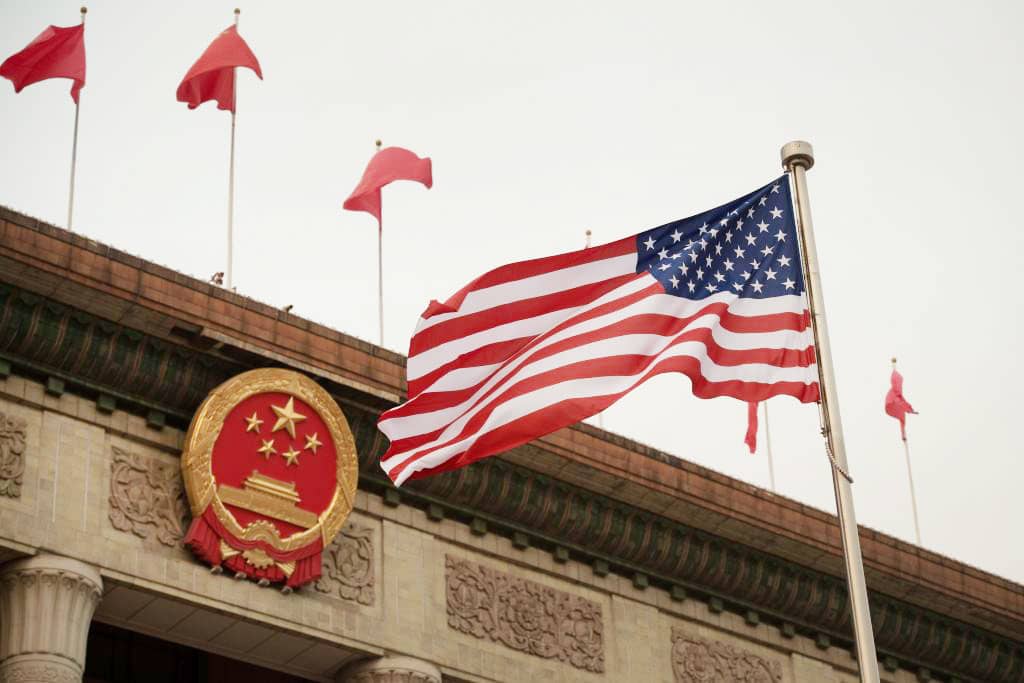
BEIJING — Possible U.S. restrictions on investing in Chinese companies would not only have a limited effect on China — but it could also hurt the United States, analysts told CNBC.
The comments come on the back of reports that the White House is considering investment curbs on China, such as delisting Chinese stocks in the United States and limiting government pension funds' investments in the Chinese market.
Restrictions such as delisting of Chinese stocks in New York could send the message that the "U.S. is not as open as before. It's going to have a fairly far-reaching impact," Ning Zhu, professor of finance at Tsinghua University in Beijing, told CNBC in a phone interview on Sunday.
U.S. stocks closed lower on Friday after Bloomberg first reported the news. The KraneShares CSI China Internet ETF (KWEB), which tracks major Chinese internet-related companies listed in New York or Hong Kong, fell 3.8%.
Analysts say the reported restrictions could be an effort by the White House to gain leverage in the upcoming U.S.-China trade talks.
It is unclear how close, if at all, the White House is to announcing curbs on U.S. investment.
The U.S. Treasury assistant secretary for public affairs, Monica Crowley, said in a statement over the weekend that "the administration is not contemplating blocking Chinese companies from listing shares on U.S. stock exchanges at this time. We welcome investment in the United States."
The China Securities Regulatory Commission did not respond to a faxed request for comment.
Options outside the US
If the U.S. were to carry out such investment curbs, it would be difficult to implement and will negatively affect U.S. capital markets, said Zhu. "Finance is unlike military or export orders, or trade. Finance is much more difficult to trace."
Many Chinese start-ups have chosen to list in the U.S. for a boost to their brand and access to U.S. dollars.
U.S. banks, U.S. mutual fund companies will be at a clear disadvantage to their global competitors.
Ning Zhu
professor of finance at Tsinghua University
More than 200 Chinese companies, including giants like Alibaba, have raised tens of billions of dollars on U.S. capital markets through listings or American Depositary Receipts, according to an August report by analysts from research firm Gavekal Dragonomics, Andrew Batson and Lance Noble.
However, not all major Chinese companies have chosen to list in New York.
Tencent, the parent of the WeChat messaging app and a major developer of mobile games, is listed in Hong Kong. Smartphone maker Xiaomi and food delivery company Meituan-Dianping also went public in Hong Kong last year. London is another alternative, Zhu pointed out.
The Chinese government would also like to keep its largest companies at home, and launched a new stock board in July in an effort to create a better environment for technology companies to go public.
Missed opportunities
On the other hand, foreign investment in mainland-listed Chinese stocks remains limited, even as Beijing tries to open its markets further to overseas investors. Since the domestic stock market is dominated by retail investors, authorities are trying to attract more stable inflows from institutional investors.
Global stock index provider MSCI has also been gradually adding some mainland Chinese A-shares to its key emerging markets index, and more than $1.9 trillion in assets were included in the benchmark index as of the end of 2017.
In April, the Bloomberg Barclays Global Aggregate Index started adding Chinese bonds. J.P. Morgan also announced it would include Chinese debt in its benchmark bond index early next year.
Full inclusion of Chinese assets in these stock and bond indexes would mean that many Americans would be indirect investors in Chinese capital markets through mutual funds and other widely held investment products.
If such U.S. investments were banned, American investors would miss out on what many analysts expect will be a long-term growth story.
"While there may be other political reasons for restricting US capital flows to China, Washington should understand that the implications for the trade imbalance are the opposite of what they want," Michael Pettis, finance professor at the Guanghua School of Management at Peking University, said in an email.
"If American capital that would have gone to China stays home, that means inevitably that the net American imports of capital will rise, and with that so will the American current account deficit — not with China, but overall," Pettis explained.
In addition to encouraging greater foreign participation in its capital markets, China is trying to increase foreign access to its financial services industry. Some announcements in the last 18 months include allowing a foreign bank to take majority ownership of its local securities joint venture.
If this trend continues, regardless of how slowly, being prohibited from China would mean "U.S. banks, U.S. mutual fund companies will be at a clear disadvantage to their global competitors," Zhu said.
Fraud, transparency concerns
One of the reasons the White House may be considering the investment restriction is reportedly to protect U.S. investors from excessive risk due to lack of regulatory supervision of Chinese companies.
"There's a kernel of legitimacy in this," said James Early, CEO of investment research firm Stansberry China. He pointed out that many Chinese companies that were able to access U.S. public markets around 2010 received no consequences for fraudulent behavior.
Mainland China's capital markets are among the largest in the world, but often fall short of the governance and liquidity levels of more developed markets.
Last week, FTSE Russell decided not to add China to its widely tracked government bond index due to issues such as lack of trading activity and long settlement periods, according to Reuters.
Analysis by New York-based research provider Rhodium, released in the fall of 2018, also found that 65% of Chinese companies included in the MSCI emerging markets index at that time were ultimately controlled by the state.
At that time, MSCI said in a statement to CNBC it did not comment on third party reports.
"The presence of SOEs (state-owned enterprises) is not an unique phenomenon in China but common to many emerging markets ... All companies, including SOEs, are treated equally as long as they meet the index eligibility criteria," the statement said.
via IFTTT
スバルとトヨタ、資本提携強化でどうなるのか? (1/4) - ITmedia
- スバルとトヨタ、資本提携強化でどうなるのか? (1/4) ITmedia
- 他社との提携を成功させるトヨタの秘訣 日経xTECH
- トヨタの”仲間作り”が加速、スバルへの出資引き上げ 日経xTECH
- Google ニュースですべての記事を表示
スバルとトヨタ、資本提携強化でどうなるのか? (1/4) - ITmedia
続きを読む
記者がYahoo!スコアを開示請求すると「ド底辺」な点数?採点方法は - livedoor
- 記者がYahoo!スコアを開示請求すると「ド底辺」な点数?採点方法は livedoor
- 「Yahoo!スコア」43歳独身の本誌記者は415点でド底辺! SmartFLASH
- Google ニュースですべての記事を表示
記者がYahoo!スコアを開示請求すると「ド底辺」な点数?採点方法は - livedoor
続きを読む
Saturday, September 28, 2019
サラリーマンの年収は441万円、業種別では? - ITmedia
- サラリーマンの年収は441万円、業種別では? ITmedia
- サラリーマン平均年収 441万円 6年連続上昇 FNN.jpプライムオンライン
- 去年の平均年収 441万円、6年連続で増加(TBS系(JNN)) Yahoo!ニュース
- 去年の平均年収 441万円、6年連続で増加 TBS News
- サラリーマンの平均年収 441万円 6年連続で上昇 www.fnn.jp
- Google ニュースですべての記事を表示
サラリーマンの年収は441万円、業種別では? - ITmedia
続きを読む
豊田自工会会長も危機感、岐路に立つ東京モーターショー(日経ビジネス) - Yahoo!ニュース
- 豊田自工会会長も危機感、岐路に立つ東京モーターショー(日経ビジネス) Yahoo!ニュース
- 異例!? トヨタ自動車の豊田章男社長が日本自動車工業会会長の任期を2年間延長 clicccar.com(クリッカー)
- 自工会会長、異例の任期延長 強まるトヨタ色 日本経済新聞
- 豊田章男・自工会会長「2年延長」に諸説紛々[新聞ウオッチ](レスポンス) | 自動車情報サイト【新車・中古車】 carview!
- 自由で公正な貿易環境の強化を歓迎=日米貿易協定で自工会会長 ロイター (Reuters Japan)
- Google ニュースですべての記事を表示
豊田自工会会長も危機感、岐路に立つ東京モーターショー(日経ビジネス) - Yahoo!ニュース
続きを読む
来週の株式相場戦略=秋相場に向けた新展開も、重要経済指標など注目 - minkabu PRESS
- 来週の株式相場戦略=秋相場に向けた新展開も、重要経済指標など注目 minkabu PRESS
- 【来週の注目材料】米NFPは前回から少し改善期待もいま一つ冴えず~米雇用統計 みんかぶFX
- 来週の日本株は反発、景気指標の底堅さを評価-過熱感は重し ブルームバーグ
- Google ニュースですべての記事を表示
来週の株式相場戦略=秋相場に向けた新展開も、重要経済指標など注目 - minkabu PRESS
続きを読む
来週の株式相場戦略=秋相場に向けた新展開も、重要経済指標など注目 - minkabu PRESS
- 来週の株式相場戦略=秋相場に向けた新展開も、重要経済指標など注目 minkabu PRESS
- 【来週の注目材料】米NFPは前回から少し改善期待もいま一つ冴えず~米雇用統計 みんかぶFX
- 来週の日本株は反発、景気指標の底堅さを評価-過熱感は重し ブルームバーグ
- Google ニュースですべての記事を表示
来週の株式相場戦略=秋相場に向けた新展開も、重要経済指標など注目 - minkabu PRESS
続きを読む
なぜ減るミニバン乗車定員 8人乗り廃止、5人乗り新規設定も ユーザーがそれ選ぶ理由は(乗りものニュース) - Yahoo!ニュース
なぜ減るミニバン乗車定員 8人乗り廃止、5人乗り新規設定も ユーザーがそれ選ぶ理由は(乗りものニュース) Yahoo!ニュース
なぜ減るミニバン乗車定員 8人乗り廃止、5人乗り新規設定も ユーザーがそれ選ぶ理由は(乗りものニュース) - Yahoo!ニュース
続きを読む
なぜ減るミニバン乗車定員 8人乗り廃止、5人乗り新規設定も ユーザーがそれ選ぶ理由は(乗りものニュース) - Yahoo!ニュース
続きを読む
かんぽ生命 約4200件で“違反”…さらに増加か - テレビ朝日
- かんぽ生命 約4200件で“違反”…さらに増加か テレビ朝日
- 法令違反と社内規定違反 約4200件、かんぽ 保険不正販売 28日 0時02分 TBS News
- かんぽ生命 約4200件で“違反”・・・さらに増加か(19/09/28) ANNnewsCH
- かんぽ不適切契約、4200件判明 30日に中間報告 日本経済新聞
- Google ニュースですべての記事を表示
かんぽ生命 約4200件で“違反”…さらに増加か - テレビ朝日
続きを読む
堀江貴文氏"所有欲は無意味" - ニフティニュース
- 堀江貴文氏"所有欲は無意味" ニフティニュース
- 堀江貴文「所有欲が人を幸せにすることはない」 東洋経済オンライン
- Google ニュースですべての記事を表示
堀江貴文氏"所有欲は無意味" - ニフティニュース
続きを読む
「ジーンズ離れ」はなぜ起きたのか ブーム変遷で見えた要因|NEWSポストセブン - NEWSポストセブン
「ジーンズ離れ」はなぜ起きたのか ブーム変遷で見えた要因|NEWSポストセブン NEWSポストセブン
「ジーンズ離れ」はなぜ起きたのか ブーム変遷で見えた要因|NEWSポストセブン - NEWSポストセブン
続きを読む
「ジーンズ離れ」はなぜ起きたのか ブーム変遷で見えた要因|NEWSポストセブン - NEWSポストセブン
続きを読む
スマホ決済Origami Payが「囲い込まない」金融プラットフォームを大手14社と開始 - ASCII.jp
スマホ決済Origami Payが「囲い込まない」金融プラットフォームを大手14社と開始 ASCII.jpGoogle ニュースですべての記事を表示
スマホ決済Origami Payが「囲い込まない」金融プラットフォームを大手14社と開始 - ASCII.jp
続きを読む
スマホ決済Origami Payが「囲い込まない」金融プラットフォームを大手14社と開始 - ASCII.jp
続きを読む
「初めて気づいた!」の声続々 クロネコヤマトの宅急便に隠しデザイン(まいどなニュース) - Yahoo!ニュース
- 「初めて気づいた!」の声続々 クロネコヤマトの宅急便に隠しデザイン(まいどなニュース) Yahoo!ニュース
- 「初めて気づいた!」の声続々 クロネコヤマトの宅急便に隠しデザイン|まいどなニュース 神戸新聞社
- Google ニュースですべての記事を表示
「初めて気づいた!」の声続々 クロネコヤマトの宅急便に隠しデザイン(まいどなニュース) - Yahoo!ニュース
続きを読む
「初めて気づいた!」の声続々 クロネコヤマトの宅急便に隠しデザイン(まいどなニュース) - Yahoo!ニュース
- 「初めて気づいた!」の声続々 クロネコヤマトの宅急便に隠しデザイン(まいどなニュース) Yahoo!ニュース
- 「初めて気づいた!」の声続々 クロネコヤマトの宅急便に隠しデザイン|まいどなニュース 神戸新聞社
- Google ニュースですべての記事を表示
「初めて気づいた!」の声続々 クロネコヤマトの宅急便に隠しデザイン(まいどなニュース) - Yahoo!ニュース
続きを読む
iOS 13.1.1配信 バッテリー消耗問題などの修正 - ASCII.jp
- iOS 13.1.1配信 バッテリー消耗問題などの修正 ASCII.jp
- iOS 13.1.1とiPadOS 13.1.1が配信開始。バッテリー消耗やバックアップから復元不可などのバグ修正 Engadget 日本版
- iPhone 11発売、その実力は?--Appleニュース一気読み CNET Japan
- iPhoneの最新OS「iOS13」新機能まとめ アスキー
- iPad向け「iPadOS 13.1.1」提供開始。復元できないバグ、バッテリー減りが早いバグ修正 PHILE WEB
- Google ニュースですべての記事を表示
iOS 13.1.1配信 バッテリー消耗問題などの修正 - ASCII.jp
続きを読む
スマホ決済Origami Payが「囲い込まない」金融プラットフォームを大手14社と開始 - ASCII.jp
スマホ決済Origami Payが「囲い込まない」金融プラットフォームを大手14社と開始 ASCII.jpGoogle ニュースですべての記事を表示
スマホ決済Origami Payが「囲い込まない」金融プラットフォームを大手14社と開始 - ASCII.jp
続きを読む
スマホ決済Origami Payが「囲い込まない」金融プラットフォームを大手14社と開始 - ASCII.jp
続きを読む
スマホ決済Origami Payが「囲い込まない」金融プラットフォームを大手14社と開始 - ASCII.jp
スマホ決済Origami Payが「囲い込まない」金融プラットフォームを大手14社と開始 ASCII.jpGoogle ニュースですべての記事を表示
スマホ決済Origami Payが「囲い込まない」金融プラットフォームを大手14社と開始 - ASCII.jp
続きを読む
スマホ決済Origami Payが「囲い込まない」金融プラットフォームを大手14社と開始 - ASCII.jp
続きを読む
2700系が特急“南風”で営業運転を開始 - 鉄道ファン
- 2700系が特急“南風”で営業運転を開始 鉄道ファン
- JR四国2700系、新型車両の特急「南風」が本州へ - 岡山駅で出発式 マイナビニュース
- 特急「南風」の新型車両デビュー 岡山駅で出発式、JR四国が開発 山陽新聞
- 特急“うずしお”31・33号,2700系による運転に 鉄道ファン
- 2700系充当の特急“あしずり”・“しまんと”編成に変化 鉄道ファン
- Google ニュースですべての記事を表示
2700系が特急“南風”で営業運転を開始 - 鉄道ファン
続きを読む
Friday, September 27, 2019
NHK会長への厳重注意で「果断な措置に御礼」 元事務次官の副社長、「かんぽ不正」番組で - 毎日新聞 - 毎日新聞
NHK会長への厳重注意で「果断な措置に御礼」 元事務次官の副社長、「かんぽ不正」番組で - 毎日新聞 毎日新聞Google ニュースですべての記事を表示
NHK会長への厳重注意で「果断な措置に御礼」 元事務次官の副社長、「かんぽ不正」番組で - 毎日新聞 - 毎日新聞
続きを読む
NHK会長への厳重注意で「果断な措置に御礼」 元事務次官の副社長、「かんぽ不正」番組で - 毎日新聞 - 毎日新聞
続きを読む
去年の平均年収 441万円、6年連続で増加(TBS系(JNN)) - Yahoo!ニュース
- 去年の平均年収 441万円、6年連続で増加(TBS系(JNN)) Yahoo!ニュース
- 去年の平均年収 441万円、6年連続で増加 TBS News
- 平均年収441万円 6年連続増 ニフティニュース
- 去年の平均年収 441万円、6年連続で増加(2019年9月28日)|BIGLOBEニュース BIGLOBEニュース
- サラリーマンの平均年収 441万円 6年連続で上昇 www.fnn.jp
- Google ニュースですべての記事を表示
去年の平均年収 441万円、6年連続で増加(TBS系(JNN)) - Yahoo!ニュース
続きを読む
踏切で特急と軽乗用車が衝突 2人死亡 乗客にけがなし JR高山線 - 毎日新聞 - 毎日新聞
- 踏切で特急と軽乗用車が衝突 2人死亡 乗客にけがなし JR高山線 - 毎日新聞 毎日新聞
- 特急列車と踏切で衝突 軽自動車の女性と子ども死亡(19/09/27) ANNnewsCH
- 朝から何度も行き来…母親と0歳長男乗った車が踏切で列車と衝突 2人とも死亡 20m程引きずられる(東海テレビ) Yahoo!ニュース
- 特急列車と車が衝突 40歳母と赤ちゃん死亡 www.fnn.jp
- 踏切に車進入し特急と衝突 40歳母親と赤ちゃん死亡(19/09/27) ANNnewsCH
- Google ニュースですべての記事を表示
踏切で特急と軽乗用車が衝突 2人死亡 乗客にけがなし JR高山線 - 毎日新聞 - 毎日新聞
続きを読む
超広角+広角+望遠トリプルカメラ搭載の上位モデル! 「iPhone 11 Pro Max」 - PC Watch
- 超広角+広角+望遠トリプルカメラ搭載の上位モデル! 「iPhone 11 Pro Max」 PC Watch
- Proの望遠は中途半端で使わなそうだから、超広角だけの「iPhone 11」でいいじゃない?(わっき) Engadget 日本版
- アップルiPhone 11、iPhone XRのケースは使えるのか検証 ASCII.jp
- 測って分かった、iPhone 11 Proが40℃近くになる理由 日経xTECH
- iPhone 11、Apple Watch Series 5、スペシャルイベント関連ニュースを一気読み CNET Japan
- Google ニュースですべての記事を表示
超広角+広角+望遠トリプルカメラ搭載の上位モデル! 「iPhone 11 Pro Max」 - PC Watch
続きを読む
NHK会長への厳重注意で「果断な措置に御礼」 元事務次官の副社長、「かんぽ不正」番組で - 毎日新聞 - 毎日新聞
NHK会長への厳重注意で「果断な措置に御礼」 元事務次官の副社長、「かんぽ不正」番組で - 毎日新聞 毎日新聞Google ニュースですべての記事を表示
NHK会長への厳重注意で「果断な措置に御礼」 元事務次官の副社長、「かんぽ不正」番組で - 毎日新聞 - 毎日新聞
続きを読む
NHK会長への厳重注意で「果断な措置に御礼」 元事務次官の副社長、「かんぽ不正」番組で - 毎日新聞 - 毎日新聞
続きを読む
Winter, again? 今週の仮想通貨市場、6兆円吹き飛ぶ|ビットコインは8000ドル割れ イーサやXRP(リップル)にも打撃 - コインテレグラフ・ジャパン(ビットコイン、仮想通貨、ブロックチェーンのニュース)
- Winter, again? 今週の仮想通貨市場、6兆円吹き飛ぶ|ビットコインは8000ドル割れ イーサやXRP(リップル)にも打撃 コインテレグラフ・ジャパン(ビットコイン、仮想通貨、ブロックチェーンのニュース)
- 主要アルトコインほぼ全て、6カ月間の最安値更新 ― ビットコイン急落を受けて コインデスク・ジャパン
- ビットコインが一時8000ドル割れ、6月以来-5日続落で ブルームバーグ
- 急落は何だったのか?仮想通貨ビットコインのハッシュレート、過去最高を更新 コインテレグラフ・ジャパン(ビットコイン、仮想通貨、ブロックチェーンのニュース)
- 日本の仮想通貨トレーダーの約52%が取引にスマホやタブレットを使用 仮想通貨 Watch
- Google ニュースですべての記事を表示
Winter, again? 今週の仮想通貨市場、6兆円吹き飛ぶ|ビットコインは8000ドル割れ イーサやXRP(リップル)にも打撃 - コインテレグラフ・ジャパン(ビットコイン、仮想通貨、ブロックチェーンのニュース)
続きを読む
消費増税、マックとモスバーガーの対応分かれる 価格は? - 日経クロストレンド
- 消費増税、マックとモスバーガーの対応分かれる 価格は? 日経クロストレンド
- 大手外食各社で分かれる「軽減税率」への対応 新たな対策は? livedoor
- マック、吉野家、スタバ「軽減税率」をめぐる思惑 東洋経済オンライン
- 軽減税率対応、ファミレスは「店内飲食と持ち帰りで別価格」が多数派 ただしサイゼは迎合せず ITmedia
- 外食チェーン、10月の消費増税後に「便乗値上げ」「税込み価格据え置き」の店リスト! | ビジネスジャーナル Business Journal
- Google ニュースですべての記事を表示
消費増税、マックとモスバーガーの対応分かれる 価格は? - 日経クロストレンド
続きを読む
踏切で特急と軽乗用車が衝突 2人死亡 乗客にけがなし JR高山線 - 毎日新聞 - 毎日新聞
- 踏切で特急と軽乗用車が衝突 2人死亡 乗客にけがなし JR高山線 - 毎日新聞 毎日新聞
- 特急列車と踏切で衝突 軽自動車の女性と子ども死亡(19/09/27) ANNnewsCH
- 朝から何度も行き来…母親と0歳長男乗った車が踏切で列車と衝突 2人とも死亡 20m程引きずられる(東海テレビ) Yahoo!ニュース
- 特急列車と車が衝突 40歳母と赤ちゃん死亡 www.fnn.jp
- 踏切に車進入し特急と衝突 40歳母親と赤ちゃん死亡(19/09/27) ANNnewsCH
- Google ニュースですべての記事を表示
踏切で特急と軽乗用車が衝突 2人死亡 乗客にけがなし JR高山線 - 毎日新聞 - 毎日新聞
続きを読む
Winter, again? 今週の仮想通貨市場、6兆円吹き飛ぶ|ビットコインは8000ドル割れ イーサやXRP(リップル)にも打撃 - コインテレグラフ・ジャパン(ビットコイン、仮想通貨、ブロックチェーンのニュース)
- Winter, again? 今週の仮想通貨市場、6兆円吹き飛ぶ|ビットコインは8000ドル割れ イーサやXRP(リップル)にも打撃 コインテレグラフ・ジャパン(ビットコイン、仮想通貨、ブロックチェーンのニュース)
- 主要アルトコインほぼ全て、6カ月間の最安値更新 ― ビットコイン急落を受けて コインデスク・ジャパン
- ビットコインが一時8000ドル割れ、6月以来-5日続落で ブルームバーグ
- 急落は何だったのか?仮想通貨ビットコインのハッシュレート、過去最高を更新 コインテレグラフ・ジャパン(ビットコイン、仮想通貨、ブロックチェーンのニュース)
- 日本の仮想通貨トレーダーの約52%が取引にスマホやタブレットを使用 仮想通貨 Watch
- Google ニュースですべての記事を表示
Winter, again? 今週の仮想通貨市場、6兆円吹き飛ぶ|ビットコインは8000ドル割れ イーサやXRP(リップル)にも打撃 - コインテレグラフ・ジャパン(ビットコイン、仮想通貨、ブロックチェーンのニュース)
続きを読む
踏切で特急と軽乗用車が衝突 2人死亡 乗客にけがなし JR高山線 - 毎日新聞 - 毎日新聞
- 踏切で特急と軽乗用車が衝突 2人死亡 乗客にけがなし JR高山線 - 毎日新聞 毎日新聞
- 特急列車と踏切で衝突 軽自動車の女性と子ども死亡(19/09/27) ANNnewsCH
- 朝から何度も行き来…母親と0歳長男乗った車が踏切で列車と衝突 2人とも死亡 20m程引きずられる(東海テレビ) Yahoo!ニュース
- 特急列車と車が衝突 40歳母と赤ちゃん死亡 www.fnn.jp
- 踏切に車進入し特急と衝突 40歳母親と赤ちゃん死亡(19/09/27) ANNnewsCH
- Google ニュースですべての記事を表示
踏切で特急と軽乗用車が衝突 2人死亡 乗客にけがなし JR高山線 - 毎日新聞 - 毎日新聞
続きを読む
経産省が関西電力に調査命令 - ニフティニュース
- 経産省が関西電力に調査命令 ニフティニュース
- 経済産業省 関西電力に報告命令|BIGLOBEニュース BIGLOBEニュース
- Google ニュースですべての記事を表示
経産省が関西電力に調査命令 - ニフティニュース
続きを読む
Everything Jim Cramer said on 'Mad Money,' including investing next week, foreign drug stocks

CNBC's Jim Cramer reacts to the Trump administration's move to consider stopping U.S. investors from investing into China's businesses and debriefs the 2019 class of IPOs. The "Mad Money" host makes recommendations for investors who are worried about the future of the American health care system. He holds an interview with the CEO of CNBC Disruptor honoree GoodRx.
Cramer takes a look at the week ahead in investing
Traders work on the floor at the New York Stock Exchange.
Brendan McDermid | Reuters
The stock market got hit with a double whammy on Friday coming from a glut of new public offerings and a threat from the White House to limit U.S. investments in China, Cramer said.
The host said "busted deals" such as , , Lyft and Uber are happening too often and have contributed to a number of down days on Wall Street.
In the midst of an ongoing trade war between the world's largest economies, the public also learned during the day that Trump administration officials are looking at ways to deter U.S. companies from investing in Chinese companies, a move that Cramer supports.
"Turns out ... it's not as sweeping or as negative as the market seems to believe," he said. "The administration doesn't want Chinese listings that lack the same kind of transparency as American companies, and it would prefer investors not to buy the shares of companies with opaque financials."
The lost more than 70 points, or 0.26%, while the pulled back 0.53% and the dropped 1.13%.
"I know it's been rough, but last week this market was really overbought still, and when you're overbought you tend to get hit with sell-offs … especially when we're being flooded with shoddy IPO merchandise," Cramer said. "I think we need some more downside before I'm really ready to get more positive."
Cramer also gave his game plan for next week
Foreign pharmaceutical stocks are more assuring for worried investors
Simon Dawson | Bloomberg | Getty Images
Cramer said investors who are worried about domestic drug stocks have a good chance picking among foreign ones.
He called AstraZeneca in the United Kingdom, GlaxoSmithKline in the U.K. and Novartis in Switzerland buys.
"If you want big pharma exposure, with fewer headaches related to U.S. politics, you could always buy a well-run foreign drug company," he said, because they are not so dependent on the American market.
Conagra reported a mixed quarter — it's not what you think
ConAgra Foods
Daniel Acker | Bloomberg | Getty Images
Cramer explained why Conagra's mixed quarter it reported on Thursday was not quite the usual suspect. The packaged foods company was able to make notable progress in one of its most important segments, he said.
"The comeback in their legacy Pinnacle business is starting to remind me of what Dollar Tree did with its ailing Family Dollar business earlier this year," Cramer explained. "I bet Conagra can deliver the same kind of turnaround. These guys are too seasoned to not get it right."
Shopping around for affordable medical care services
Doug Hirsch, Co-Founder and C0-CEO of GoodRx.
Heidi Petty | CNBC
Digital pharmacy GoodRx is now helping patients do more than just price shop for prescription drugs, co-founder and co-CEO Doug Hirsch told Cramer.
It's going directly into the world of medical services by launching GoodRx Care, which allows people to see a board-certified physician for a number of conditions, starting at just $20.
"We wanted to just have an easy solution that anyone could use to get quick care of the most pressing things that affect millions and millions of Americans, so they can stay healthy and stay out of the hospital," Hirsch said in an interview.
-Reporting by Kevin Stankiewicz
Where to invest in this overbought market
Karen Bleier | AFP | Getty Images
Cramer noted that the market has slowly but surely made a bad turn, but stocks are still near their highs, making it tough to add more to the portfolio.
"If you're looking for the ideal kind of stock to start buying in this difficult environment, look no further than American Express," the host said.
Cramer's lightning round
: "No. Come on, man. We can't!"
Planet Fitness: "We got to stay away from Planet Fitness, you know why? Because 's stinking up the joint and we don't want to go near that ... until all the sellers of Peloton are done, and then we can circle back to Planet Fitness."
Disclosure: Cramer's charitable trust owns shares of Novartis.
Questions for Cramer?
Call Cramer: 1-800-743-CNBC
Want to take a deep dive into Cramer's world? Hit him up!
Mad Money Twitter - Jim Cramer Twitter - Facebook - Instagram
Questions, comments, suggestions for the "Mad Money" website? madcap@cnbc.com
via IFTTT
Amid controversy, Kurt Volker, Trump's envoy to Ukraine, resigns, sources say

Kurt Volker, US Department Special Representative for Ukraine speaks during a press conference about US-Ukrainian relations in Kiev. The US delegation headed by the Special Representative of the United States Department of State for Ukraine, Kurt Volker on a working visit to the village of Stanytsia Luhanska in Luhansk region East of Ukraine. (Photo by Pavlo Gonchar/SOPA Images/LightRocket via Getty Images)
Pavlo Gonchar | LightRocket | Getty Images
President Donald Trump's special representative for Ukraine, Kurt Volker, resigned on Friday, sources familiar with the situation said.
A whistleblower complaint from within the intelligence community, released publicly on Thursday, described Volker as trying to "contain the damage" from efforts by Trump's lawyer Rudy Giuliani to press Ukraine to investigate Democrats.
Volker, who had served in the position on a part-time, unpaid basis since 2017, had sought to help Ukraine's government resolve its confrontation with Russia-sponsored separatists.
The State Department did not immediately respond to a request for comment.
Democrats in the U.S. House of Representatives, who are conducting an impeachment investigation of Trump, have sought testimony from Volker relating to a July 25 phone call in which Trump encouraged Ukraine's president to investigate Joe Biden, a political rival.
Volker's resignation was first reported by the State Press, a student-run publication at Arizona State University, which backs a think tank where Volker serves as executive director.
via IFTTT
消費増税、マックとモスバーガーの対応分かれる 価格は? - 日経クロストレンド
- 消費増税、マックとモスバーガーの対応分かれる 価格は? 日経クロストレンド
- 大手外食各社で分かれる「軽減税率」への対応 新たな対策は? livedoor
- マック、吉野家、スタバ「軽減税率」をめぐる思惑 東洋経済オンライン
- 軽減税率対応、ファミレスは「店内飲食と持ち帰りで別価格」が多数派 ただしサイゼは迎合せず ITmedia
- ミニストップ/増税後「本体価格と税込価格」併記、店内飲食は申告制 流通ニュース
- Google ニュースですべての記事を表示
消費増税、マックとモスバーガーの対応分かれる 価格は? - 日経クロストレンド
続きを読む
Winter, again? 今週の仮想通貨市場、6兆円吹き飛ぶ|ビットコインは8000ドル割れ イーサやXRP(リップル)にも打撃 - コインテレグラフ・ジャパン(ビットコイン、仮想通貨、ブロックチェーンのニュース)
- Winter, again? 今週の仮想通貨市場、6兆円吹き飛ぶ|ビットコインは8000ドル割れ イーサやXRP(リップル)にも打撃 コインテレグラフ・ジャパン(ビットコイン、仮想通貨、ブロックチェーンのニュース)
- 主要アルトコインほぼ全て、6カ月間の最安値更新 ― ビットコイン急落を受けて コインデスク・ジャパン
- ビットコインが一時8000ドル割れ、6月以来-5日続落で ブルームバーグ
- 急落は何だったのか?仮想通貨ビットコインのハッシュレート、過去最高を更新 コインテレグラフ・ジャパン(ビットコイン、仮想通貨、ブロックチェーンのニュース)
- 日本の仮想通貨トレーダーの約52%が取引にスマホやタブレットを使用 仮想通貨 Watch
- Google ニュースですべての記事を表示
Winter, again? 今週の仮想通貨市場、6兆円吹き飛ぶ|ビットコインは8000ドル割れ イーサやXRP(リップル)にも打撃 - コインテレグラフ・ジャパン(ビットコイン、仮想通貨、ブロックチェーンのニュース)
続きを読む
郵政、NHK報道を「悪意」と総括 不適切営業中も抗議 - 朝日新聞
- 郵政、NHK報道を「悪意」と総括 不適切営業中も抗議 朝日新聞
- 総務相 NHK注意に干渉否定 ニフティニュース
- NHK会長への厳重注意で「果断な措置に御礼」 元事務次官の副社長、「かんぽ不正」番組で - 毎日新聞 毎日新聞
- 余録:「ガバナンスがまったく利いていない… 毎日新聞
- (社説)NHK経営委 「公共」の理解に欠ける asahi.com
- Google ニュースですべての記事を表示
郵政、NHK報道を「悪意」と総括 不適切営業中も抗議 - 朝日新聞
続きを読む
Thursday, September 26, 2019
原油価格の上昇でガソリン値上がり - www.fnn.jp
- 原油価格の上昇でガソリン値上がり www.fnn.jp
- レギュラーガソリン、9週間ぶりの値上がり 前週比0.9円高の143.8円 レスポンス
- Google ニュースですべての記事を表示
原油価格の上昇でガソリン値上がり - www.fnn.jp
続きを読む
西友&セゾン「いつでも3%割引」の背景と影響 ウォルマートカードの立場は...? - J-CASTニュース
西友&セゾン「いつでも3%割引」の背景と影響 ウォルマートカードの立場は...? J-CASTニュース
西友&セゾン「いつでも3%割引」の背景と影響 ウォルマートカードの立場は...? - J-CASTニュース
続きを読む
西友&セゾン「いつでも3%割引」の背景と影響 ウォルマートカードの立場は...? - J-CASTニュース
続きを読む
iPhone 11シリーズの香港版が入荷、最上位は実売23万円 - AKIBA PC Hotline!
- iPhone 11シリーズの香港版が入荷、最上位は実売23万円 AKIBA PC Hotline!
- 「iPhone 11 Pro」最新カメラの実力は?--「iPhone XS」と撮り比べ(前編) CNET Japan
- 純正から個性派まで 「iPhone 11」シリーズと一緒に購入したいケースまとめ ITmedia Mobile
- iPhone11 Pro Max 実機レビュー = Xperia1に P30 Proと夜景で勝負だっ ASCII.jp
- だから買う、iPhone 11 - マイナビニュース調査 マイナビニュース
- Google ニュースですべての記事を表示
iPhone 11シリーズの香港版が入荷、最上位は実売23万円 - AKIBA PC Hotline!
続きを読む